Game category
Live Casino
Live casino games replace a random number generator with a human dealer, a physical table, and a real deck, wheel, or shoe, streamed to players in real time from a studio or land-based casino floor. Cards and outcomes are read by the software through optical recognition and sensors built into the table rather than typed in manually, which is what keeps a live table’s results verifiable in roughly the same way an RNG game’s are.
This page covers how the technology behind a live stream actually works, the main game categories available, what separates a studio-only table from one broadcast from a real casino floor, and what to check before choosing a table to play at.
How Live Casino Technology Works
A live table combines a video feed with a layer of software that reads the game state automatically. Card recognition uses specially marked decks read by sensors built into the dealing shoe; roulette wheels use a tracking sensor that registers the ball’s landing pocket the instant it settles; card values and wheel results are then pushed to every connected player’s interface within a second or two of the physical outcome.
This automated reading layer is what makes a live table auditable in a similar way to an RNG game – the software logs and verifies every outcome mechanically rather than depending on someone reporting results by hand, and results are checked against the video feed for regulatory compliance.
Main Live Casino Game Categories
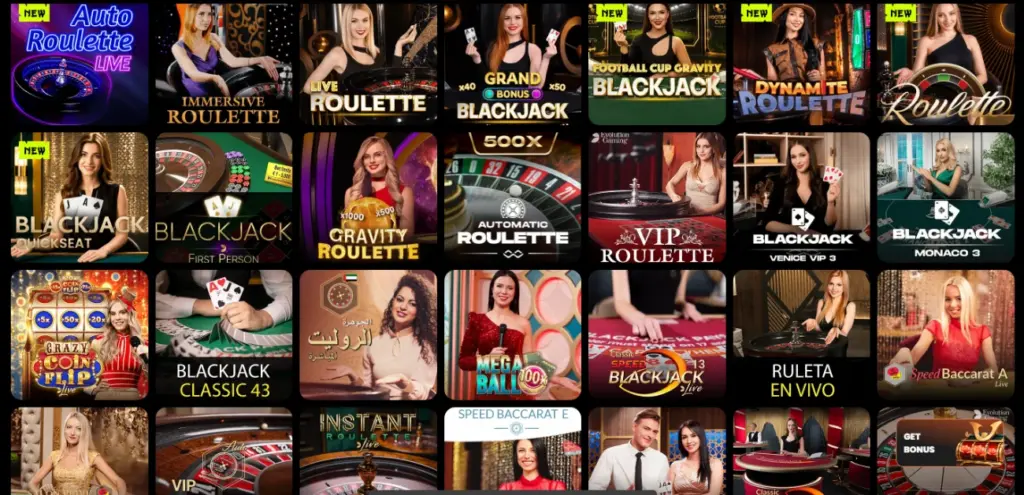
Live Table Games
Live versions of blackjack, roulette, and baccarat make up the bulk of most live lobbies, running the same rules and payouts as their RNG counterparts but on a fixed pace set by the dealer rather than a speed the player controls. Seat limits apply at busier tables – a popular table can fill up during peak hours, pushing players toward a similar but less crowded alternative.
Game Shows
A newer category built around a large physical wheel or similar mechanism rather than cards – titles like Crazy Time, Monopoly Live, and Dream Catcher combine a base wheel spin with bonus rounds that can pay out at very high multipliers. These carry a noticeably higher variance than standard table games, since most of the expected value sits in rare bonus-round outcomes rather than frequent smaller wins.
Live Poker Variants
Live versions of house-banked poker games – Casino Hold’em, Ultimate Texas Hold’em – run with the same rules as their RNG equivalents but with a human dealer managing the community cards and betting rounds in real time.
Studio-Exclusive Formats
Some live titles exist only as studio productions with no direct land-based equivalent – multi-camera blackjack with side-bet overlays, or hybrid formats combining a wheel spin with card elements – built specifically for the online audience rather than adapted from a physical table game.
Studio Tables vs. Land-Based Casino Floor Tables
Most live tables run from purpose-built studios designed around camera angles, lighting, and streaming reliability rather than a real gaming floor. A smaller number of operators stream from an actual land-based casino, giving players a view of a real venue with other physical patrons nearby, though studio tables generally offer more table variety and more consistent uptime since they aren’t affected by a physical casino’s own operating hours or floor traffic.
What to Check Before Choosing a Live Table
| Factor | Why It Matters |
| Bet limits | Studio tables often run a wider min/max range than a single land-based table can offer |
| Table language | Dealer-spoken language varies by table, separate from the interface language |
| Peak-hour availability | Popular tables can hit seat limits during busy periods |
| Side bets offered | Vary by table even within the same base game |
| Connection requirements | Live video needs a stronger connection than a static RNG game interface |
Live Casino on Mobile
Live tables run over video streaming rather than static graphics, which makes them more sensitive to connection quality on mobile data than an RNG slot or table game – a dropped frame or buffering delay can matter more in a live setting where timing (placing a bet before the dealer closes betting) is part of the game itself. Most modern live lobbies are built responsively for mobile browsers, though picture quality sometimes steps down automatically on a weaker connection to keep the stream running smoothly.
Live Casino – FAQ
How are live casino results verified as fair?
Card and wheel outcomes are read automatically by sensors built into the table equipment, logged by the software, and checked against the video feed – this mechanical reading process is what independent testing labs audit, similar to how they audit an RNG’s output.
Why do game shows have such high variance?
Most of a game show’s expected value comes from rare bonus-round outcomes offering very large multipliers, rather than frequent smaller wins on the base wheel spin – this concentrates returns into infrequent, high-payout moments.
Is a live table slower than an RNG table game?
Yes, generally – a live table runs on a pace set by the dealer and other seated players, while an RNG table lets a single player set their own speed, which usually means more decisions per hour on the RNG version.
Do live tables cost more to play than RNG versions?
Not inherently – the house edge on a live blackjack or roulette table typically matches its RNG counterpart under the same rule set, though minimum bets can run higher on some live tables due to studio operating costs.
What happens if my connection drops mid-hand?
Reputable platforms preserve the hand state and resolve it based on the recorded outcome once the connection is restored, since the table’s own sensors and software track the result independently of any individual player’s stream.
Can I chat with the dealer or other players?
Most live tables include a text chat function connecting players to the dealer and each other, moderated by the operator, though dealers generally can’t discuss anything outside the game itself, like advice on strategy or bet sizing.